Best Pet Hair Removal Tool for Daily Use
You notice it right away – the black shirt covered in fuzz, the couch collecting fur by noon, the car seat looking like your dog claimed it for good. A good pet hair removal tool can turn that daily cleanup from annoying to easy, but only if you pick the right one for the surfaces you actually deal with.
That is where a lot of shoppers get stuck. Some tools work beautifully on upholstery but barely touch clothing. Others are great for quick touch-ups yet frustrating for larger jobs. If you want a cleaner home without wasting money on gadgets that end up in a drawer, it helps to know what each type of tool does best.
What makes a pet hair removal tool worth buying?
The best tool is not always the one with the most features. It is the one that matches your routine, your pet, and the spots where hair piles up fastest. For some homes, that means a reusable roller kept by the front door. For others, it means a stronger brush that can pull embedded fur out of rugs and furniture.
A worthwhile option should save time, feel easy to use, and hold up over repeated cleanups. If it takes too much effort or only works on one small area, it will not earn a spot in your regular routine. Value matters too. Many shoppers want something affordable that still feels reliable, especially when pet mess is an everyday issue rather than a once-in-a-while problem.
Types of pet hair removal tool options
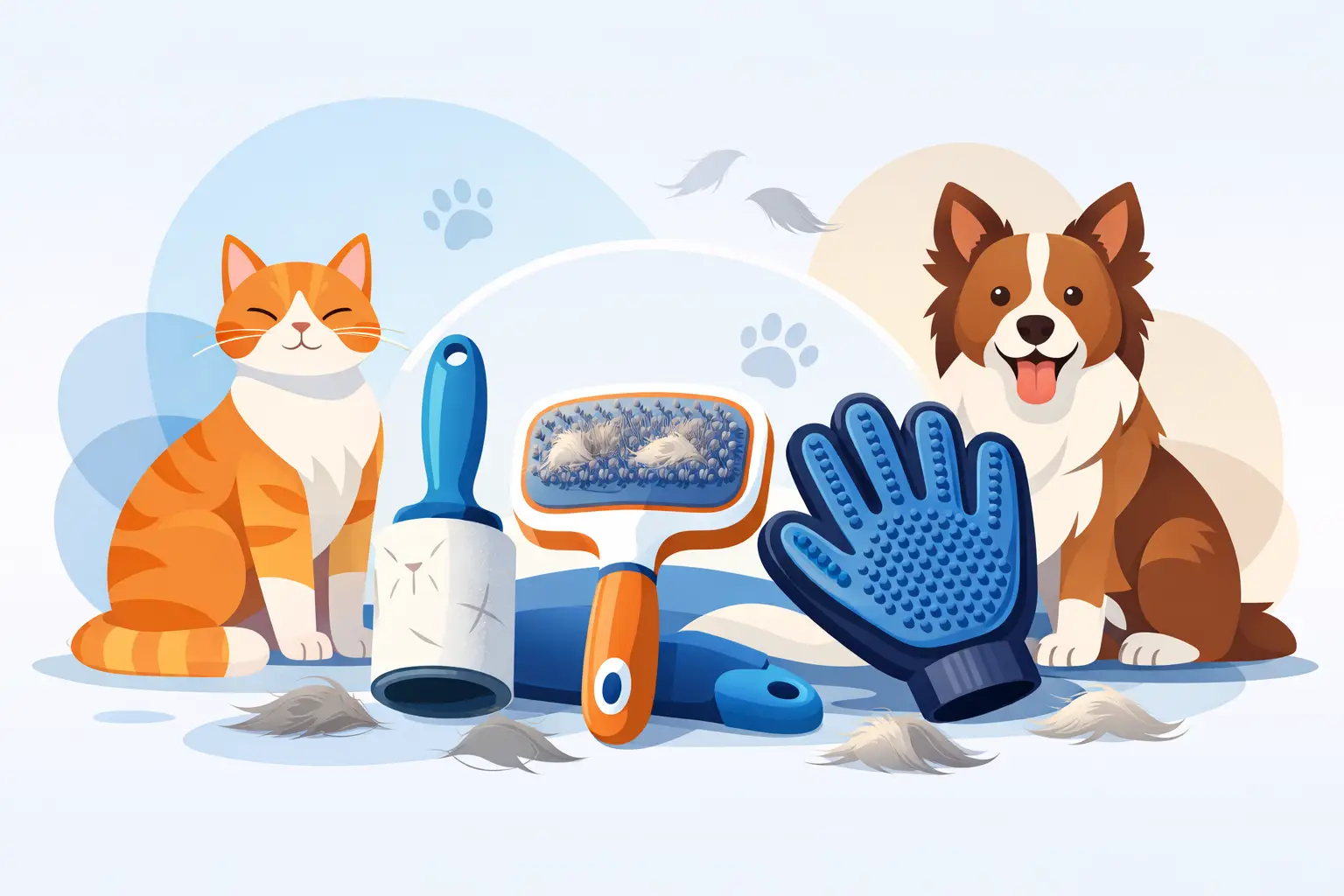
Reusable rollers
Reusable rollers are popular for a reason. They are quick, simple, and easy to keep nearby for daily touch-ups. These tools usually work best on clothing, light upholstery, bedding, and fabric surfaces that collect loose hair rather than deeply trapped fur.
Their biggest advantage is convenience. You can grab one, make a few passes, and look more put together before heading out the door. The trade-off is that they may not be strong enough for heavy shedding seasons or for thick fabric where hair gets worked into the weave.
Lint-style rollers
Classic adhesive rollers still have a place, especially if you want a fast fix for clothes or a guest room before company arrives. They are easy to understand and require almost no learning curve.
The downside is the ongoing replacement cost. If you use them every day, those sheets go fast. They are best for shoppers who care most about grab-and-go convenience and do not mind restocking.
Rubber brushes and squeegee-style tools
These are often underrated. Rubber creates friction that helps gather hair into clumps, which makes cleanup easier on couches, rugs, stairs, and even some car interiors. They can be especially helpful if your pet has short, stubborn fur that seems woven into fabric.
They do require a little more elbow grease than a roller. Still, for deeper cleaning, that extra effort often pays off.
Grooming gloves and hand tools
Some pet hair removal tools are designed to catch loose fur before it ends up all over your home. Grooming gloves and similar tools can reduce shedding on furniture and floors by collecting hair directly from your pet during brushing.
This is more of a prevention strategy than a quick home cleanup fix. It depends on your pet, too. Some animals love the attention, while others act like the glove is a personal insult.
How to choose the right pet hair removal tool
Start with the surface you clean most often. If your biggest frustration is work clothes or blankets, a roller is probably the smartest choice. If your couch, rug, or car seats take the worst hit, you may need something with stronger grip and better reach.
Think about how much hair your pet sheds. A single short-haired cat and two long-haired dogs create very different cleanup demands. Heavy shedders usually need more than a basic lint solution. In that case, a durable reusable tool or brush tends to offer better long-term value.
Also consider how often you want to clean. Some shoppers prefer quick daily maintenance to prevent buildup. Others would rather do one bigger cleanup every few days. The right tool should fit that rhythm naturally, not create another chore you avoid.
Where each tool works best
On clothing
For shirts, pants, jackets, and softer fabrics, rollers usually win. They are gentle enough for everyday use and fast enough for rushed mornings. If you mostly want to leave the house looking polished, this category is often the most practical.
On couches and upholstered chairs
This is where performance differences become obvious. Loose hair can be handled with rollers, but embedded fur usually responds better to rubber brushes or dedicated upholstery tools. Fabric texture matters here. A smooth sofa is easier to clean than a coarse woven one.
On rugs and carpets
Hair trapped in rugs often needs friction, pressure, and repetition. A basic sticky roller may help on the surface, but a stronger manual tool generally does more. If pet hair is packed into fibers, a brush-style option is often the better buy.
In the car
Car seats and floor mats are tricky because the materials vary. Cloth seats tend to hold hair tightly, while mats collect clumps in corners and seams. Compact hand tools with a stronger scraping or brushing action are often more useful than soft rollers in these spaces.
Features shoppers should look for
A handle that feels comfortable matters more than it sounds. If a tool is awkward, your wrist will tell you fast. A good grip makes repeated passes easier, especially on larger furniture or carpeted stairs.
Easy cleaning is another big plus. Reusable products save money over time, but only if emptying or rinsing them does not feel messy or complicated. Many people love the idea of reusable tools until cleanup becomes a hassle.
Portability can also make a difference. A small tool for your closet, entryway, or car can be more useful than one larger product tucked away in a laundry room. Sometimes the best purchase is the one you actually keep within reach.
Why one tool is not always enough
If you share your home with pets, there is a good chance different areas need different solutions. That is not overbuying. It is just realistic. The tool that works best on your sweater may not be the one that clears the couch before movie night.
A lot of shoppers do best with a simple two-tool setup: one for personal items like clothing and bedding, and one for heavier-duty surfaces like upholstery or rugs. That approach can save time and frustration because you are not forcing one tool to do every job poorly.
For shoppers who like convenience, this is where a broad online store can be especially helpful. Instead of bouncing between specialty shops, you can compare practical everyday solutions in one place and choose what fits your budget and routine.
Getting better results from any pet hair removal tool
Technique matters more than many people expect. Short, repeated strokes usually work better than fast swipes. On upholstery and rugs, changing direction can help lift fur that is trapped in the fabric.
It also helps to clean regularly instead of waiting until the hair buildup gets extreme. A few quick passes each day often beats an exhausting deep clean on the weekend. If your pet sheds heavily during certain seasons, you may need to adjust your routine for a few weeks.
And if a tool seems ineffective, the problem is not always the product. Sometimes the fabric surface simply calls for a different style. That is why matching the tool to the job makes such a difference.
Is a reusable pet hair removal tool the better value?
For many households, yes. If pet hair is part of daily life, reusable tools often cost less over time and create less waste than disposable options. They are especially appealing to shoppers who want a simple solution they can keep using without extra refills.
That said, disposable rollers still make sense in some cases. They are handy for travel, guest prep, or quick clothing fixes. It really depends on whether you want the lowest upfront effort or the stronger long-term value.
The sweet spot for many shoppers is a reusable option for everyday home use and a disposable roller for occasional backup. Shop smart, and you can keep both convenience and cost in balance.
A cleaner couch, fur-free outfit, and less frustrating car ride can come down to one practical upgrade. The right pet hair removal tool is not about perfection. It is about making everyday cleanup easier so you can spend less time picking fur off everything and more time enjoying life with your pet.








Leave a comment