Best Budgeting Ebook for Beginners
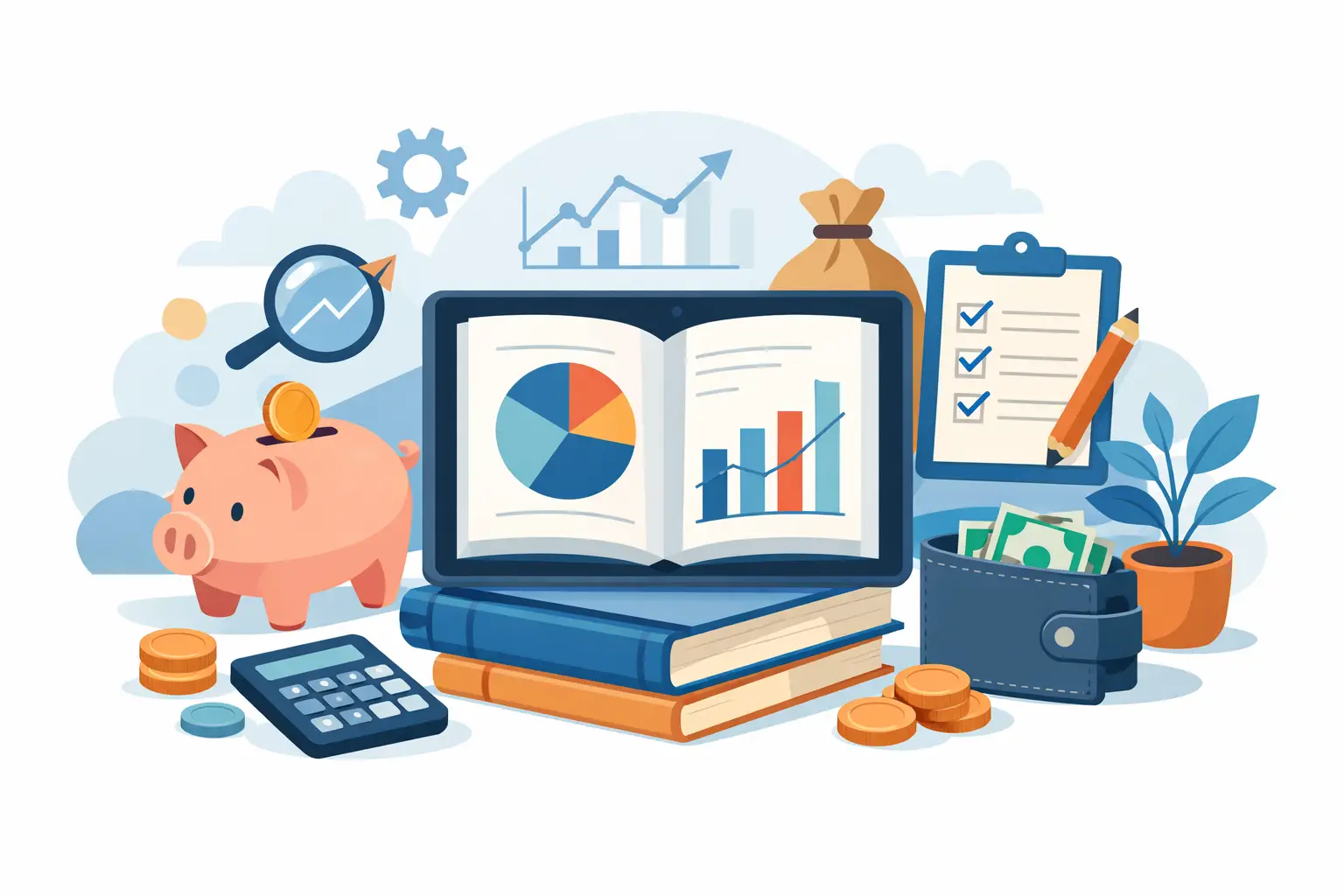
If your money seems to disappear between paydays, you are not alone. A budgeting ebook for beginners can be a smart, low-pressure way to finally see where your cash is going and build a plan that feels doable instead of restrictive.
For many people, budgeting sounds harder than it is. The real challenge is not math. It is finding a system that makes sense when you are juggling bills, groceries, subscriptions, unexpected expenses, and all the little purchases that add up fast. That is where a beginner-friendly ebook can help. It gives you structure, examples, and a clear starting point without making you feel like you need to become a finance expert overnight.
Why a budgeting ebook for beginners works so well
A good ebook meets you where you are. That matters because most beginners do not need advanced investing theory on day one. They need a simple explanation of how to track spending, separate needs from wants, set realistic goals, and stop feeling behind every time a bill hits.
An ebook format is especially convenient for shoppers who want practical help without the cost or commitment of a course. You can read it on your own schedule, revisit chapters when you need a refresh, and start small. If your goal is to shop smart and improve everyday life with useful digital tools, this kind of resource fits naturally.
There is also a confidence factor. Many people avoid budgeting because they are worried they have already made too many mistakes. A beginner ebook can make the process feel more approachable by breaking money management into manageable steps. Instead of telling you to overhaul your whole life by next week, it can help you focus on what to do first, then what to do next.
What beginners actually need from a budgeting guide
Not every money guide is built for first-timers. Some are packed with jargon, strict rules, or unrealistic savings targets that do not match real life. If you are choosing a budgeting ebook for beginners, the best option is usually one that keeps things clear, practical, and flexible.
Look for an ebook that explains the basics in plain English. You should be able to understand income, fixed expenses, variable expenses, debt payments, and savings goals without rereading every page. If the guide makes simple ideas sound complicated, it is probably not the right fit for a beginner.
Examples matter too. It helps when an ebook shows what a real monthly budget might look like for someone with a steady paycheck, a variable income, or a tight budget. A lot of people learn faster when they can see realistic situations rather than abstract advice.
Flexibility is another big factor. Some budgeting systems are very strict, and that works for certain personalities. Others need room for family expenses, occasional treats, seasonal costs, or income that changes from month to month. A strong beginner guide should acknowledge that there is no single perfect budget for everyone.
Signs an ebook is beginner-friendly
The most useful budgeting guides do not try to impress you with complexity. They aim to get results. That usually means the content is organized in a way that feels easy to follow, with a clear path from awareness to action.
A beginner-friendly ebook often starts with spending awareness before moving into goal-setting. That sequence matters. If you try to create a perfect budget before understanding your current habits, you may end up with numbers that look nice on paper but do not hold up in real life.
It should also help you answer practical questions. How much should you save first if money is tight? What happens if your bills are higher than expected? How do you budget when your spending has been inconsistent? Those are real beginner concerns, and a helpful ebook addresses them directly.
Tone matters more than people think. If a guide makes you feel judged, you are less likely to stick with it. The best budgeting advice feels supportive, clear, and motivating. It should push you to make smarter choices while still recognizing that progress often happens step by step.
What you can expect to learn
Most quality beginner budgeting ebooks cover a similar foundation, but the better ones make it easier to apply. You should expect guidance on tracking income, listing recurring bills, reviewing day-to-day spending, and setting short-term financial goals.
You will likely also learn how to spot spending leaks. These are the small recurring costs that seem harmless on their own but can quietly throw off your monthly plan. Food delivery, unused subscriptions, impulse shopping, and convenience spending are common examples. The goal is not to eliminate every enjoyable purchase. It is to make your spending more intentional.
Many ebooks also explain simple budgeting methods, such as category-based budgeting or percentage-based planning. This is useful because different systems work for different lifestyles. A person who likes detailed control might prefer line-by-line categories. Someone who wants a faster system may do better with broader spending buckets. A good beginner guide should help you test what works without making you feel locked into one approach forever.
How to choose the right budgeting ebook for beginners
Start by being honest about what kind of help you want. If you are completely new to budgeting, choose an ebook that covers fundamentals and includes exercises or examples. If you already know the basics but struggle with consistency, look for something that focuses more on habits, accountability, and staying on track.
Think about your lifestyle too. A single adult, a parent managing household costs, and a freelancer with irregular income may all need slightly different advice. The best ebook for you is not necessarily the most detailed one. It is the one that feels relevant enough to use.
It is also smart to consider readability. A digital product should save you time, not create extra work. Clear sections, practical takeaways, and easy-to-follow explanations usually make the biggest difference. If it feels approachable, you are more likely to finish it and actually use what you learn.
Value matters as well. For many shoppers, an ebook is appealing because it is affordable, accessible, and easy to revisit. That makes it a strong choice for anyone who wants a low-friction way to improve money habits without signing up for something expensive or time-consuming.
Common mistakes beginners make
One of the biggest mistakes is creating a budget that is too aggressive. It is easy to feel motivated and decide you will cut every nonessential expense immediately. The problem is that overly strict budgets often fail fast. If your plan does not leave room for real life, it becomes hard to maintain.
Another mistake is forgetting irregular expenses. Car maintenance, school costs, gifts, annual fees, and emergency purchases can wreck a monthly plan if they are never accounted for. A useful beginner ebook should teach you to expect these costs instead of treating them like surprises every time.
Many beginners also focus only on cutting spending and ignore the importance of consistency. A budget works best when you check in regularly, adjust when needed, and keep going even after an off month. One bad week does not mean the whole system failed. It usually means the budget needs a tweak.
Why digital budgeting tools fit busy shoppers
For people who like convenience, digital products make a lot of sense. You can access an ebook quickly, read it from your phone or tablet, and apply the lessons at your own pace. That ease matters when life is already busy.
A budgeting ebook is also a practical purchase because it can create value beyond the initial download. If it helps you avoid overdraft fees, control impulse spending, or build a workable monthly plan, it can pay off in ways that go far beyond the price.
That is part of the appeal of smart digital shopping. You are not just buying information. You are choosing a tool that can make everyday decisions easier, reduce stress, and support bigger goals over time. For shoppers looking for useful, affordable resources, that is a strong fit.
A better way to get started
If you have been waiting for the perfect time to organize your money, this is your sign to stop waiting. A budgeting ebook for beginners can give you the clear, supportive starting point you need without making the process feel overwhelming.
You do not need a perfect income, a perfect month, or a perfect track record to begin. You just need a guide that helps you make sense of your numbers and build better habits one step at a time. Enkoco shoppers often look for practical solutions that fit real life, and that is exactly what a strong beginner budgeting ebook should deliver.
The best budget is not the one that looks impressive on paper. It is the one you can actually live with, improve over time, and trust when life gets expensive.








Leave a comment