How to Groom Pets at Home the Easy Way
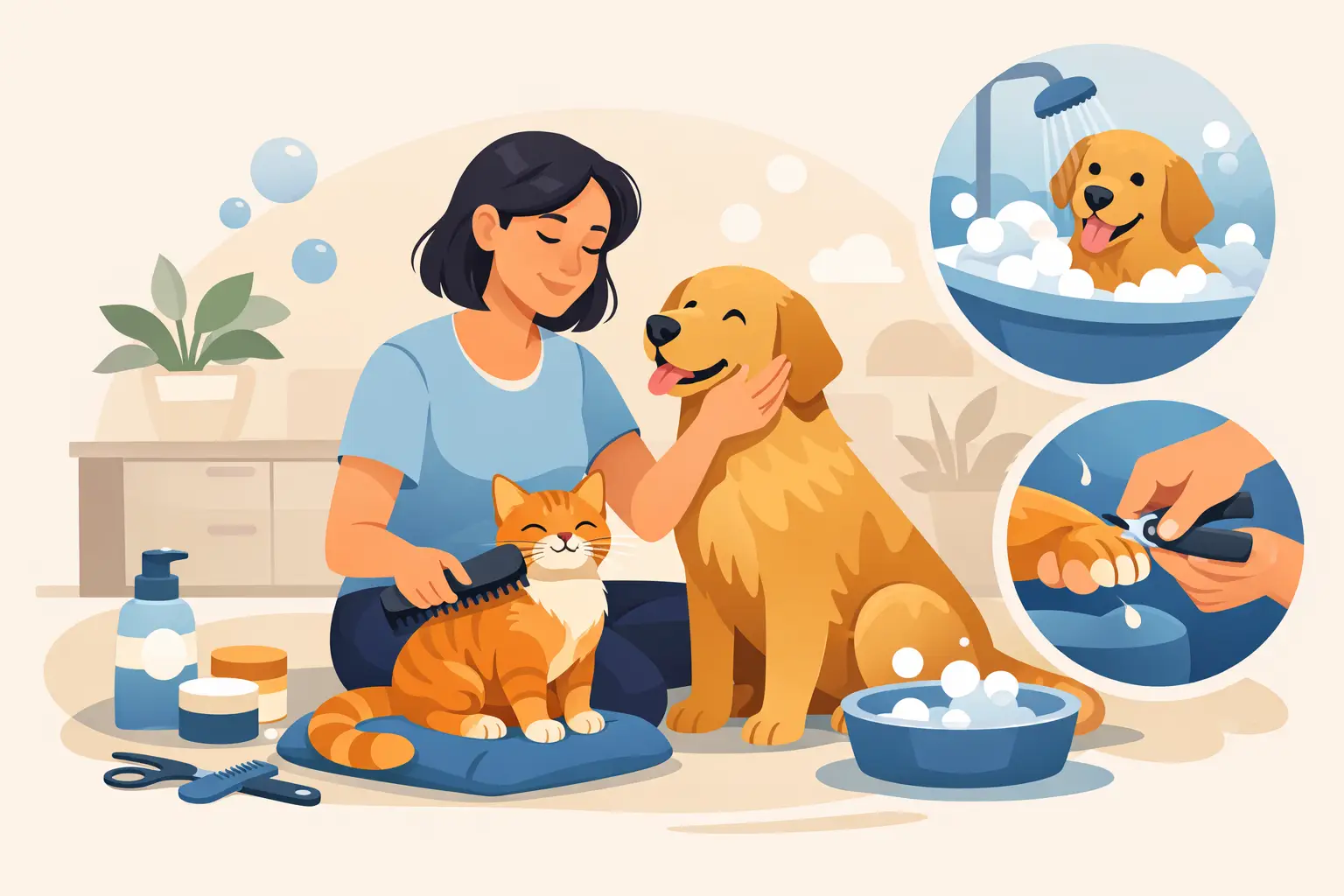
That wet-dog smell, the tumbleweeds of fur across the floor, the cat who suddenly looks a little too scruffy around the ears – home grooming usually becomes a priority the moment you realize waiting longer will only make the job harder. If you are figuring out how to groom pets at home, the good news is that you do not need a professional setup to make a real difference. With the right routine, a few practical tools, and a calm approach, you can keep your pet cleaner, more comfortable, and looking their best without turning the process into a stressful event.
Why learning how to groom pets at home pays off
Home grooming is not just about appearance. A good grooming routine helps you spot skin irritation, fleas, ticks, dry patches, ear buildup, and changes in your pet’s coat before they become bigger problems. It can also reduce shedding, control odors, and keep mats from turning painful.
For many pet owners, the biggest advantage is convenience. You can handle quick touch-ups on your own schedule instead of waiting for an appointment. That matters when life is busy, and it also helps if your dog or cat gets anxious around strangers or noisy grooming spaces. Shop smart and build a simple kit once, and grooming at home can become one of the easiest ways to support your pet’s everyday comfort.
Start with the right grooming setup
You do not need a salon. You need a space your pet can tolerate and tools that match their coat type, size, and temperament. A small dog may do fine on a towel over a bathroom floor, while a large dog may be easier to groom outdoors or in a laundry room with more room to move. Cats often do best in short sessions in a quiet, familiar room.
Keep your setup simple. Have your brush, comb, pet-safe shampoo, towels, nail trimmer, and treats within reach before you start. That way you are not chasing supplies with a damp, irritated pet halfway through the process.
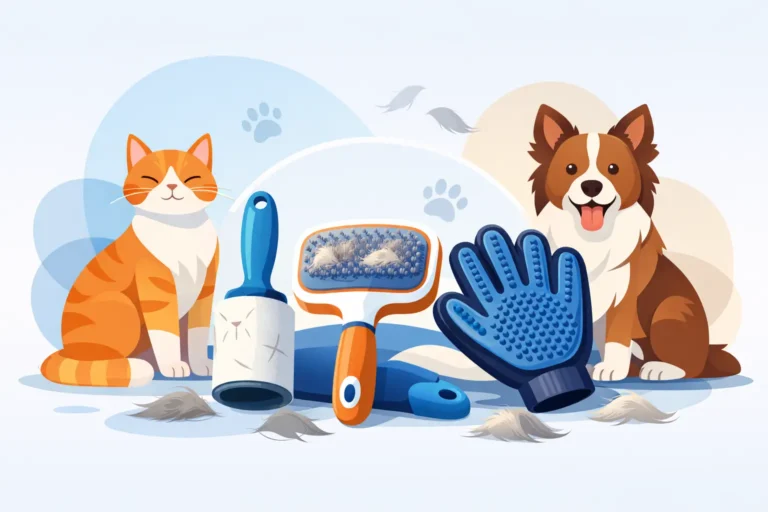
The right tools matter more than the number of tools. Short-haired pets usually need a basic brush or grooming glove. Long-haired pets often need a slicker brush and a comb to work through tangles. If your pet’s coat mats easily, trying to rush through with the wrong brush can make grooming uncomfortable fast.
A quick note on expectations
Not every pet will sit still for a full brush, bath, nail trim, and ear check in one go. That is normal. For some pets, especially rescues, seniors, or highly nervous animals, shorter sessions work better. A five-minute positive grooming routine done consistently often beats one long session that leaves everyone frustrated.
Brushing comes first
If you only improve one part of your routine, make it brushing. Brushing removes loose hair, spreads natural oils through the coat, and helps prevent mats. It also makes bathing easier, because water can tighten tangles that were already there.
Brush in the direction of hair growth and use a gentle hand, especially near the belly, tail, and legs. If you hit a knot, do not yank. Hold the hair close to the skin to reduce pulling and work the tangle apart slowly. If the mat is dense or very close to the skin, it may be safer to stop and ask a professional groomer or veterinarian for help. Cutting mats out with household scissors can go wrong quickly because pet skin is thinner than many owners expect.
Long-haired dogs and cats usually need more frequent brushing than short-haired pets, but coat type changes the schedule. A thick double coat sheds differently than a silky coat, and curly coats can mat even when they do not shed much. It depends on the pet, which is why the best routine is the one you can keep up with consistently.
Bathing without the chaos
Bath time does not need to feel like a wrestling match. Start by using lukewarm water and a shampoo made for pets. Human shampoo can be too harsh and may dry out the skin. Wet the coat thoroughly, avoiding direct water into the ears, eyes, and nose, then work the shampoo in from neck to tail.
Rinse longer than you think you need to. Leftover shampoo can cause itching and dull the coat. Once the bath is done, towel dry well. Some pets tolerate a pet dryer on a low, cool setting, while others will panic at the sound. If your pet hates the dryer, forcing it is usually not worth it.
Most pets do not need constant bathing. Too many baths can strip the coat and irritate the skin. If your dog rolled in something questionable, of course that is a different story. But for routine care, brushing and spot cleaning often do more than frequent full baths.
How often should you bathe?
There is no one answer. Active dogs that spend time outdoors may need baths more often than indoor cats or short-haired apartment dogs. Pets with allergies or skin conditions may need a veterinarian-guided routine. If your pet smells bad all the time, has flaky skin, or seems itchy after baths, the issue may be product choice or overbathing rather than cleanliness.
Nail trims matter more than many owners think
Overgrown nails can affect how a pet stands and walks. They can snag on fabric, split, or make movement uncomfortable, especially for older pets. Nail trimming is one of the most skipped parts of home grooming because owners are nervous about cutting too far.
That concern is understandable. The quick, which contains blood vessels and nerves, can be hard to see, especially on dark nails. Trim a small amount at a time and stop if you are unsure. If your pet becomes stressed, do one or two nails, offer a treat, and continue later. Slow progress is still progress.
Some owners prefer nail grinders because they allow more control, but the sound and vibration bother certain pets. Clippers are quicker, but they require a steady hand. This is one of those areas where the best tool depends on your pet’s tolerance as much as your comfort level.
Ears, eyes, and paws need regular attention
A clean coat does not mean the grooming job is done. Check the ears for wax, debris, redness, or odor. If they look irritated or smell strong, skip the home fix and call your vet. For normal maintenance, use a pet-safe ear cleaner and a soft cotton pad, never a cotton swab deep in the ear canal.
Around the eyes, gently wipe away discharge with a damp cloth. Some breeds tear more than others, and staining can build up if ignored. For paws, inspect between the toes for dirt, burrs, and mats. Paw pads can also dry out or crack, especially in extreme weather.
This is also a good time to look for things grooming naturally reveals, like lumps, scratches, or signs your pet has been chewing at one area too much. One of the biggest hidden benefits of home grooming is that it helps you notice changes early.
Haircuts are where caution really matters
Many owners can handle brushing, bathing, and trimming around the paws, but full haircuts are a different level. If your pet has a coat that requires clipping, technique matters. A poor cut may not just look uneven – it can leave irritation, missed mats, or even nicks.
If you want to trim at home, start small. Tidy the fur around the paws, sanitary areas, or face only if your pet stays calm and you have pet-safe grooming tools. Never use regular household scissors near wriggling skin. For heavy matting, double coats, or breed-specific cuts, professional grooming is often the safer call.
That does not mean home grooming is a failure. It means knowing where DIY saves time and money and where expert help protects your pet. The smartest routine is often a mix of both.
Make grooming easier every time
Pets learn from repetition. If grooming always starts with being grabbed, dragged to the tub, and held down, they will resist. If it starts with a calm voice, familiar tools, treats, and short sessions, many pets become easier over time.
Try handling paws, ears, and tails briefly even on non-grooming days. Reward calm behavior. Let your pet sniff the brush before using it. For anxious pets, break grooming into separate sessions across the week instead of cramming everything into one day.
A value-focused routine also helps. When you keep basic grooming supplies on hand, you can do quick maintenance before problems build up into bigger, more expensive fixes. For busy households looking for convenience, that is often the sweet spot.
When not to groom at home
If your pet has severe matting, skin infections, open sores, parasites, or extreme fear during grooming, pause the DIY plan. The same goes for pets with painful mobility issues or medical conditions that make home handling risky. Grooming should improve comfort, not create more stress or harm.
If you are unsure whether something is cosmetic or medical, trust that instinct and ask your veterinarian. Clean and trimmed is great. Safe and comfortable is better.
A home grooming routine does not have to be perfect to be effective. What matters most is keeping it gentle, consistent, and realistic for your pet and your schedule. Start small, stay patient, and build from there – your pet will feel the difference, and your home probably will too.








Leave a comment